

How it Works
About Our
Mirena IUD Service
At the Vasectomy & IUD Clinic, we offer safe and professional Mirena IUD insertions in a supportive, private setting. Our experienced clinicians prioritise comfort and clarity, making the process simple and stress-free.
Whether you're choosing long-term contraception or looking to manage heavy periods, we're here to guide you from consultation through to aftercare.
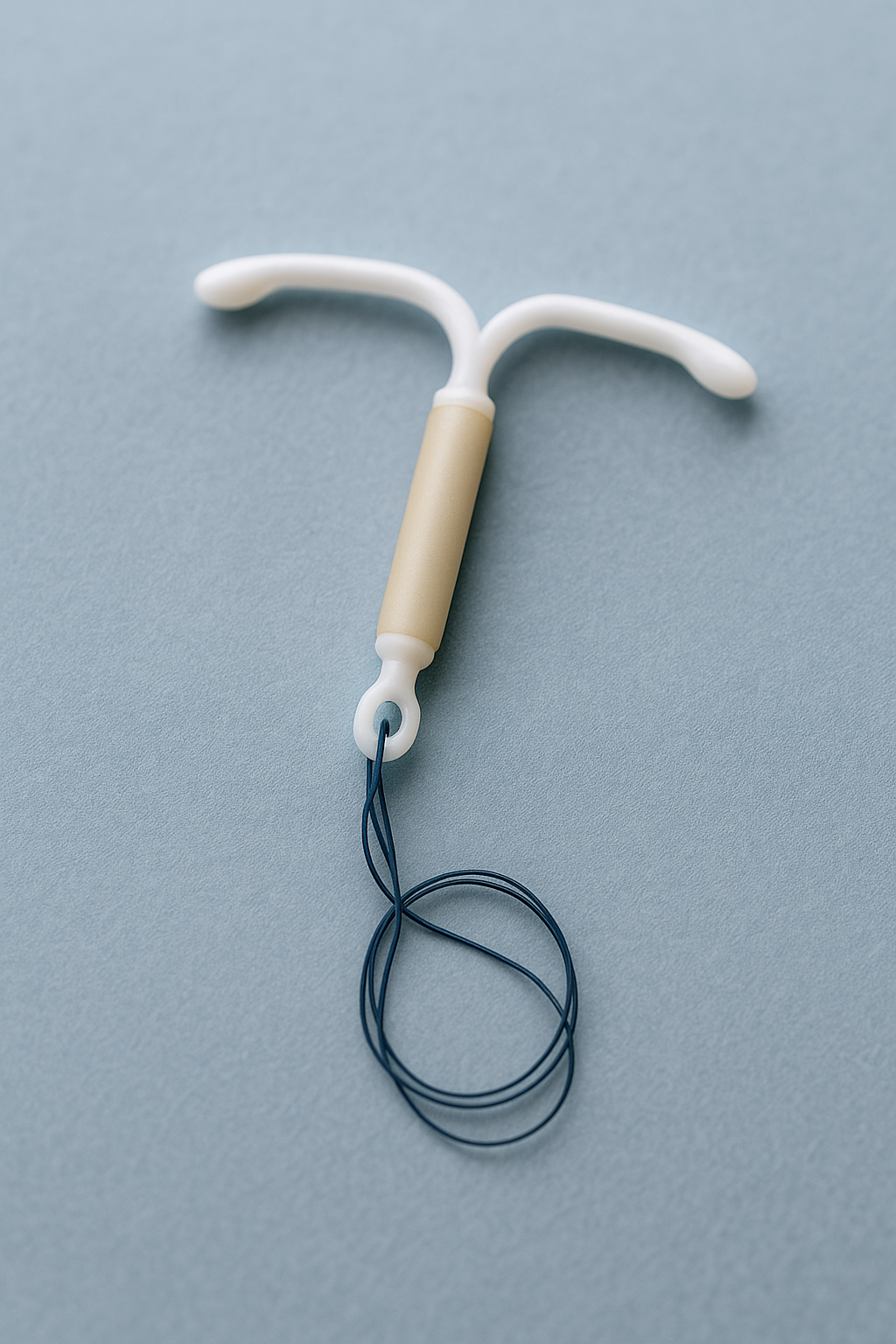
Why Choose the Mirena IUD?
Over 99% Effective
One of the most reliable forms of contraception available.
Low Maintenance
Once inserted by a healthcare provider, there's nothing you need to remember daily or weekly.
Long Lasting Protection
Effective for up to 8 years, but can be removed anytime if you wish to start a family.
Fertility Returns Quickly
Once removed, most women can get pregnant right away.
Meet the Team

-
Tania brings not only her professional expertise but also a warm, down-to-earth approach to every patient she meets. She believes reproductive health is about dignity, choice, and reassurance, and is passionate about making people feel safe and cared for. A registered nurse for over 20 years, Tania has been providing IUD and vasectomy services for more than 8 years, and she is a qualification in IUD inserter and works as an approved supervisor for medical staff wanting to learn how to insert IUD’s.
She is excited to be part of the new team clinic, supporting the community with compassionate, high-quality care. Outside of work, Tania enjoys spending time with her family, running, and socialising — all of which help her stay grounded and connected. Above all, Tania hopes every patient leaves feeling respected, understood, and supported.

-
Dr Courtney Hemi is currently working as a GP Registrar with a strong passion for reproductive and women’s health. She holds a Postgraduate Diploma in Women’s Health and has experience through contraception choices, fertility planning, and procedural care.In the clinic, Courtney provides evidence-based, patient-centred care with a particular focus on IUD insertions and contraceptive counselling. She is committed to making reproductive healthcare approachable, informed, and empowering for every individual and family.
Guide at a Glance
-
Getting your IUD for the first time
To get an IUD, you need to be sure you’re not pregnant at your appointment (unless you're getting a copper IUD for emergency contraception).For the month before your appointment, you’ll need to either avoid penis-in-vagina sex or use reliable contraception every time (like the pill and condoms together).
We may need to cancel or reschedule your appointment if:
You’ve had unprotected sex, or
There’s any chance you’re pregnant (unless it's for copper IUD emergency contraception)
-
Eat something beforehand to avoid feeling light-headed or dizzy during your appointment.
Take pain relief an hour before — 2x 500mg paracetamol and/or 2x 400mg ibuprofen — to help with discomfort.
Wear comfy clothing to help you relax.
If you have tamariki, try to arrange care for them during your appointment.
Most people feel fine afterward and go on with their day, but if you feel faint or have cramps, it’s helpful to have a friend or whānau member available to take you home so you can rest.
-
Most people are able to go back to their usual activities after getting an IUD.
For the first 48 hours, use pads instead of tampons or a menstrual cup. After that, you can go back to using whatever period products you prefer.
What to Expect:
You may feel some cramping, pain, or dizziness during insertion — this is normal and usually settles quickly.
The IUD has small threads that sit inside your vagina. They don’t hang out like tampon strings and are used later for removal.
You won’t feel the IUD once it’s in place, except if you check for the threads.
Your partner shouldn’t feel it during sex.
You may notice some changes to your period:
With a copper IUD, periods might become heavier, longer, or more painful, especially in the first few months.
With a hormonal IUD like Mirena or Jaydess, you might have spotting at first, then lighter or no periodsover time.
Getting an IUD
How is an IUD fitted?
Getting a Mirena fitted is a quick and straightforward procedure. It’s very similar to having a cervical smear. A speculum is gently placed into the vagina so the clinician can see the cervix. The IUD is then guided through the opening of the uterus with its arms folded flat, so it slides in like a thin stick.
Once the device is in the right position, the inserter is removed and the arms of the IUD open into their T-shape. You don’t have to do anything further, and it can stay there for up to 8 years.
Hormones in the Mirena
The Mirena IUD contains a very small dose of progestogen, a synthetic form of the hormone progesterone, which your body naturally produces. This hormone helps prevent pregnancy in two ways: it stops ovulation in many users (so no egg is released) and it thickens the cervical mucus, making it harder for sperm to reach an egg.
Compared to other hormonal contraceptives, the Mirena uses one of the lowest hormone levels available. The hormone is released slowly and steadily from the device over several years, and once the IUD is removed, the hormone leaves your system quickly.
Simple, Transparent Pricing
One comprehensive fee covers everything you need for a successful procedure.

$175
Mirena IUD
Initial consultation
Mirena IUD device included
Professional insertion by trained clinician
Follow-up advice for symptoms and side effects

FAQs
-
Mirena is more than 99% effective, making it one of the most reliable forms of birth control available.
-
Some people feel mild to moderate discomfort during insertion. The procedure is quick, and any cramping usually settles within a few hours or days.
-
Yes, it’s safe to use both tampons and menstrual cups with a Mirena. Just be careful when removing a cup so you don’t tug on the IUD strings.
-
Yes. Fertility usually returns quickly once the Mirena is taken out.
-
Many people notice lighter periods, less pain, or no period at all after a few months. This is normal and safe.
-
Yes, the Mirena is safe to use while breastfeeding.
-
Yes. Mirena is often recommended to reduce heavy menstrual bleeding and ease period pain.
-
That’s absolutely fine. A trained nurse or doctor can take it out at any time if you want to stop using it or try for a baby.
-
The actual insertion takes just a few minutes, but your whole appointment might take about 15–30 minutes.
-
Some people may experience mild cramping, spotting, or irregular periods in the first few months. These usually improve over time.
Visit Us
6 Avalon Drive, Nawton, Hamilton 3200
Hours
Wednesday
8am - 4:30pm
Phone
07 846 0082
Ready to Take the
Next Step?
Book your consultation today. No GP referral needed.